Are you in search of a reliable and cost-effective solution for your brick production needs? Look no further than our Semi-Automatic Block Machine. Powered by hydraulic transmission, this machine operates in a silent, static pressure mode, ensuring a noise-free production environment while delivering high output and dense, high-quality blocks.
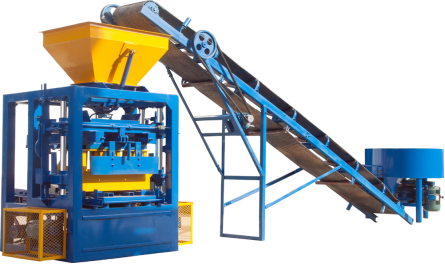
This Semi-Automatic Block Machine, with a host machine dimension of 1850x11880x2240 and weighing 1.56T, guarantees sturdy and stable operation. Its short molding period of just 24s significantly enhances productivity. The 22kw host machine power combined with a 35.5KN vibration force enables efficient production of top-notch blocks.
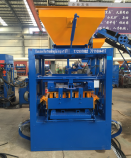
One of the remarkable features of our Semi-Automatic Block Machine is its elimination of the need for pallet curing, greatly shortening the curing cycle. It requires minimal manpower and has no specific requirements for the working ground, offering great convenience. With a wide range of compatible products, it caters to diverse market demands. Additionally, it can adapt to local voltage and only needs a 160m² workshop area, and comes with a JQ350 mixer and 850x550x25mm pallets. Depending on the brick type and size, its output ranges from 2500 to 6500 blocks per shift.


Invest in our Semi-Automatic Block Machine and revolutionize your production efficiency today!
 English