The MIG & TIG Welding Machine boasts robust specifications that cater to both novice and experienced welders. With a voltage range of 220V±15% and 50/60Hz frequency compatibility, it adapts seamlessly to global power standards. Its output current spans 40–220A for GMAW (MIG) and 20–180A for manual (TIG), offering versatile settings for thin sheets and thick metals alike. The output voltage ranges from 16–25V (GMAW) to 20.8–27.2V (manual), ensuring stable arcs and minimal spatter. Despite its high performance, the machine remains compact at 475 x 200 x 447mm and lightweight at 12.5kg, making it portable for on-site jobs.
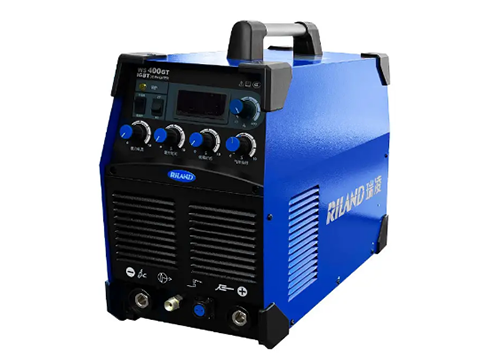
Designed for real-world use, the machine features a 30% duty cycle at 40℃, balancing continuous operation with heat dissipation to prevent overheating during prolonged projects. Its power factor ≥0.73 and efficiency ≥80% translate to reduced energy consumption, cutting operational costs while delivering consistent results. The dual-functionality allows users to switch between MIG for fast, high-deposition welding and TIG for precise, aesthetically pleasing finishes on materials like steel, aluminum, and stainless steel.
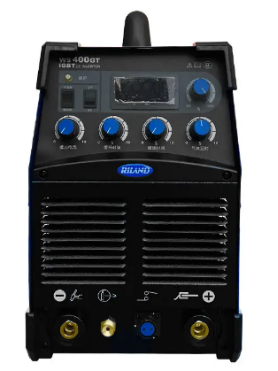
Whether you're welding automotive components, crafting metal art, or repairing industrial equipment, this machine's versatility is unmatched.
 English