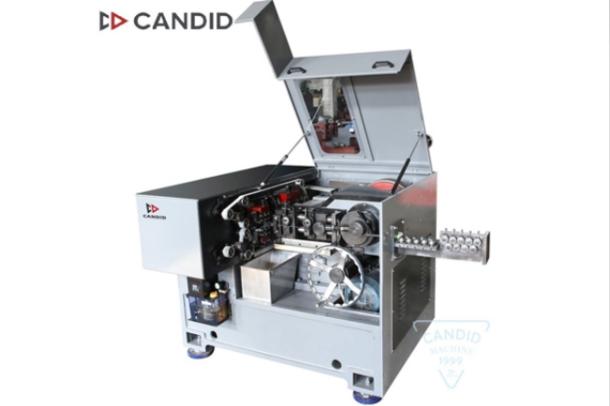
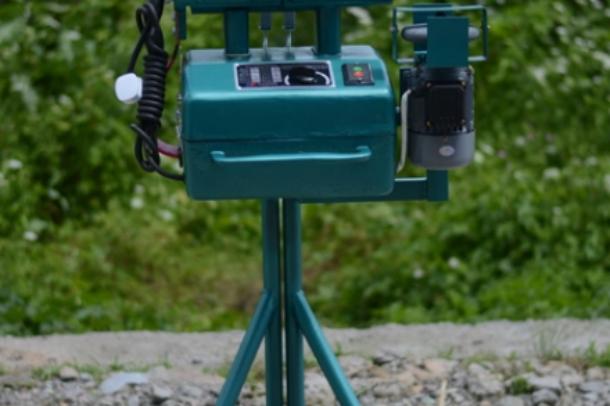
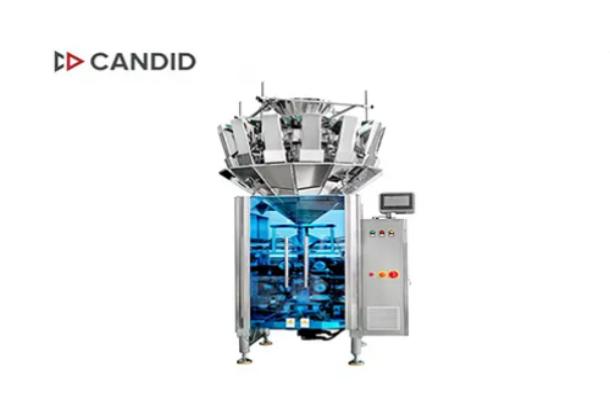
PVC and TPR eraser production differ mainly in raw material composition, processing technology, product performance, and environmental impact. PVC erasers are optimized for high-volume, cost-efficient manufacturing, while TPR erasers are preferred for eco-friendly, non-toxic, and premium applications. The selection directly affects your eraser making machine configuration, production cost, and target market positioning.
PVC (polyvinyl chloride) erasers are formulated with:
PVC resin
Plasticizers (to improve flexibility)
Stabilizers and fillers
Key characteristics:
Smooth texture and consistent hardness
Strong cost advantage
Excellent suitability for mass production
Stable performance in standard writing applications
TPR (thermoplastic rubber) is a blend of rubber-like elastomers and thermoplastics.
Key characteristics:
Soft, rubber-like feel
Non-toxic and often phthalate-free
Improved environmental profile
Better elasticity and user comfort
From a product standpoint, TPR erasers are increasingly used in high-end stationery and child-safe products, while PVC remains dominant in school and office supply markets.
The difference in materials leads to distinct manufacturing workflows and equipment requirements.
High-speed mixing of PVC resin and additives
Extrusion or injection molding
Cooling and shaping
Printing and cutting
PVC production is highly compatible with continuous automation, making it ideal for large-scale factories using a modern eraser manufacturing machine.
Material compounding (thermoplastic elastomer blending)
Injection molding or extrusion
Cooling and demolding
Secondary processing (printing, shaping)
TPR processing requires more precise temperature control to maintain elasticity and avoid deformation, placing higher demands on the eraser making machine.
Both materials can be processed using similar categories of equipment, but with different configurations.
Twin-screw or single-screw extruders
Continuous molding lines
Automated cutting and packaging systems
These systems are commonly integrated into a pencil eraser making machine, optimized for high output and uniform product size.
Precision injection molding machines
Temperature-controlled extrusion systems
Advanced cooling and shaping units
TPR production often requires a more advanced eraser manufacturing machine with tighter process control and higher material sensitivity.
PVC clearly leads in production efficiency and scalability.
Faster cycle times
Lower energy consumption per unit
Easier process standardization
Lower scrap rate
Slower cycle time
Higher sensitivity to processing conditions
Slightly higher material cost
For factories focused on large-volume output, PVC-based eraser making machines deliver better operational efficiency.
Environmental considerations are becoming increasingly important in eraser manufacturing.
May contain plasticizers and additives
Requires compliance with international safety standards
Recycling is more complex
Typically non-toxic and safer for children
More environmentally friendly formulation
Easier to meet export regulations (EU, US markets)
As global regulations tighten, many manufacturers are upgrading their eraser manufacturing machine lines to support TPR materials.
Performance depends on application rather than material alone.
Clean erasing performance
Less residue in standard use
Consistent hardness
Softer touch and better user comfort
Reduced paper damage
Improved performance on delicate surfaces
For pencil eraser making machine applications targeting school markets, PVC remains dominant. For premium or specialty uses, TPR offers differentiation.
Cost structure is a key decision factor when selecting between PVC and TPR.
Lower raw material cost
Faster production → lower labor cost
Mature supply chain
Higher material cost
More complex processing
Higher equipment precision requirements
However, TPR products can often be sold at higher margins, especially in eco-conscious markets.
Your decision should align with business strategy and market demand.
You focus on large-scale, low-cost manufacturing
Your main market is school or office supplies
You require high-speed production lines
You target premium or eco-friendly products
You export to markets with strict safety regulations
You aim for product differentiation and higher margins
Many advanced manufacturers operate both PVC and TPR production lines, using different types of eraser making machines to serve multiple market segments.
When selecting equipment, consider:
Material compatibility (PVC vs TPR)
Production capacity requirements
Automation level
Energy efficiency
Availability of spare parts and technical support
A well-configured pencil eraser making machine should support stable output, consistent product quality, and flexible material processing.
PVC and TPR are not competing materials but complementary solutions for different market needs. PVC remains the backbone of high-volume eraser production, while TPR is driving growth in environmentally friendly and premium segments.
Investing in the right eraser manufacturing machine—or a flexible production line capable of handling both materials—positions your business to adapt to evolving global demand.
PVC is best for cost-efficient mass production, while TPR is preferred for eco-friendly and premium applications.
PVC erasers are typically produced using extrusion or injection-based eraser making machines designed for continuous production.
Some advanced systems can handle both materials, but most factories use specialized configurations for optimal performance.
Yes, TPR generally has higher raw material and processing costs but allows for higher product pricing.
Depending on the setup, a PVC-based pencil eraser making machine can produce thousands of units per hour, while TPR systems typically operate at slightly lower throughput.
 English