Steel clips and plastic clips are produced using entirely different manufacturing technologies, material systems, and equipment configurations. Steel clips rely on wire forming processes using a clip making machine, while plastic clips are produced through injection molding or extrusion using polymer-based machinery. The choice between the two impacts not only production workflow but also cost structure, product performance, and target market.
The core difference lies in material behavior and forming technology.
Steel clips are made by bending and cutting metal wire using mechanical forming systems
Plastic clips are shaped by melting polymers and forming them in molds
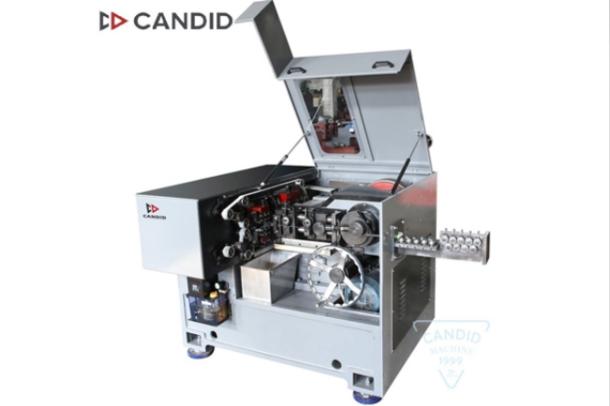
A clip manufacturing machine for steel focuses on precision wire bending, while plastic clip production depends on mold design and thermal processing control.
Steel clip production is a high-speed mechanical process optimized for efficiency and consistency.
Wire feeding from coil
Wire straightening
Multi-step bending into clip shape
Cutting and discharge
Surface finishing (optional coating or plating)
High-speed clip making machine
Wire straightening system
Cutting and forming tools
Continuous production
Low cycle time
Minimal material waste
High dimensional consistency
Steel clip production is widely used for paper clips, binder clips (frames), and industrial fastening clips.
Plastic clips require thermal processing and mold-based shaping.
Polymer feeding (PP, ABS, PVC, etc.)
Melting and plasticizing
Injection into molds
Cooling and solidification
Ejection and trimming
Injection molding machines
Precision molds
Cooling systems
Mold-dependent production
Higher initial tooling cost
Greater design flexibility
Ability to produce complex shapes
Plastic clips are commonly used in packaging, consumer products, cable management, and automotive applications.
Efficiency depends on production volume and product complexity.
Extremely high output per minute
Continuous wire feeding
Low energy consumption per unit
Minimal setup time
Slower cycle per mold cavity
Higher energy usage due to heating/cooling
Mold change required for design variation
For simple clip designs such as paper clips, a clip manufacturing machine delivers significantly higher throughput.
Low-carbon steel wire
Stainless steel (for corrosion resistance)
Coated or galvanized wire
Material properties focus on:
Elasticity
Strength
Fatigue resistance
Polypropylene (PP)
ABS
PVC
Nylon (for higher strength applications)
Material properties focus on:
Flexibility
Lightweight structure
Chemical resistance
Material selection directly affects the type of clip making machine or molding system required.
Performance depends on application requirements.
Higher tensile strength
Better durability
Strong clamping force
Long service life
Lightweight
Corrosion-resistant
Safer for delicate surfaces
Customizable shapes and colors
Steel clips dominate in office stationery and industrial use, while plastic clips are preferred in consumer goods and specialized applications.
Lower equipment investment
Lower tooling cost
Lower per-unit production cost
Stable raw material pricing
A clip manufacturing machine provides strong cost advantages in high-volume production.
Higher mold development cost
Higher energy consumption
Higher initial investment
Lower cost per unit at scale (for complex designs)
Plastic clip production becomes cost-effective when producing large volumes of identical molded parts.
For new manufacturers, steel clip production is generally easier to start.
Simpler machinery
Faster installation and commissioning
Lower technical barrier
Easier maintenance
A clip making machine is often the preferred entry point for small and medium-sized factories entering the stationery or wire products market.
Office stationery → Steel clips
Consumer products or packaging → Plastic clips
Continuous high-speed production → Steel
Large batch molded production → Plastic
Simple shapes → Steel
Complex or custom shapes → Plastic
Lower initial cost → Steel
Higher upfront cost but flexible design → Plastic
Stable commodity demand → Steel clips
Niche or customized demand → Plastic clips
Yes, but it requires completely different production lines.
Steel clips → clip making machine / clip manufacturing machine
Plastic clips → Injection molding system
Many diversified manufacturers operate both systems to expand product offerings, but each requires separate technical expertise and equipment investment.
Profitability depends on your business model.
High-volume, low-margin
Stable demand
Fast ROI due to low machine cost
Higher margin for customized products
Greater design flexibility
Higher entry barrier
For most new entrants, starting with a clip manufacturing machine for steel clips provides a faster and more predictable return.
Steel and plastic clips are not interchangeable manufacturing choices—they represent two distinct production systems. Steel clip production, driven by high-speed clip making machines, is ideal for standardized, cost-efficient output. Plastic clip manufacturing, based on molding technology, offers flexibility and customization but requires higher investment and technical complexity.
Selecting the right direction depends on your target market, product design, and production scale. Manufacturers aiming for stable, large-volume output typically prioritize steel clip production, while those targeting specialized applications benefit from plastic molding systems.
Steel clips are produced using a clip making machine, which performs wire feeding, bending, and cutting operations.
Plastic clips are made using injection molding machines that melt and shape polymer materials into specific designs.
Steel clips are generally stronger and more durable, while plastic clips offer flexibility and corrosion resistance.
Yes, steel clip production usually has lower equipment and tooling costs, especially when using a clip manufacturing machine for high-speed output.
Yes, starting with a clip making machine for steel clips is one of the most cost-effective entry points into the stationery manufacturing industry.
 English