A nail washing machine is a critical piece of equipment in industrial production lines, particularly in nail manufacturing plants. It is designed to remove oil, dust, and residues from newly produced nails, ensuring that the final product is clean, smooth, and suitable for packaging or further treatment. However, when this type of machinery is operated in outdoor environments, it is exposed to dust, humidity, and varying temperatures, all of which can reduce its efficiency if not properly maintained. CANDID, a professional machinery manufacturer with decades of expertise, emphasizes the importance of consistent upkeep to guarantee smooth performance and long equipment life. Through its customer-oriented design and strong after-sales service, CANDID ensures that each nail washing machine can withstand challenging conditions with the right care.

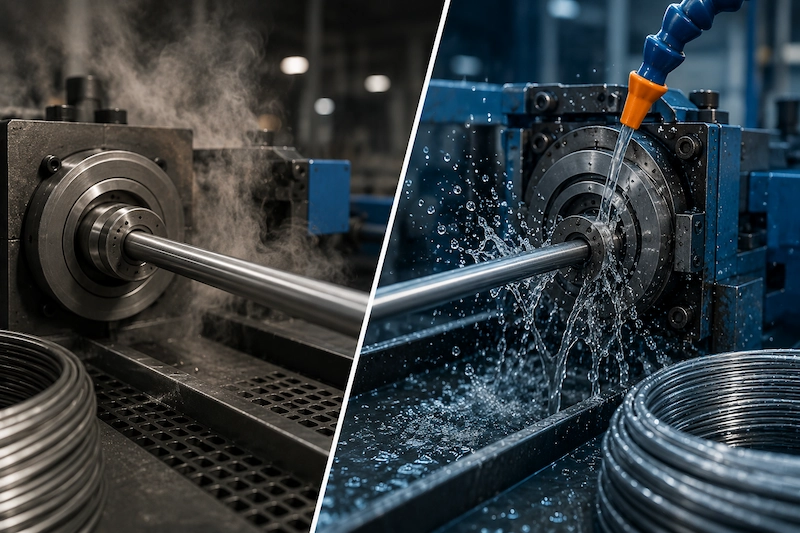
Outdoor conditions often expose machines to more dirt and contaminants compared to controlled indoor environments. To maintain efficiency, operators should frequently clean both the internal and external components of the nail washing machine. The water tanks, filtration units, and circulation systems must be flushed regularly to avoid blockages and bacterial buildup. Similarly, the outer shell should be wiped down to prevent corrosion caused by moisture or industrial dust. CANDID’s machines are manufactured with durable materials that resist rust, but even so, periodic cleaning significantly extends their lifespan. Ensuring that residues from nails are properly cleared after each production cycle prevents the machine from overworking and maintains consistent cleaning quality for every batch of nails.

When evaluating the efficiency and maintenance needs of a nail washing machine compared to traditional or manual cleaning, several key differences stand out:
Factor | Nail Washing Machine | Manual or Conventional Cleaning |
Cleaning Speed | Fast—handles large batches at once | Slow—time-consuming and labor-intensive |
Consistency of Results | Uniform, automated cleaning ensures high product quality | Inconsistent—results depend on worker effort |
Maintenance Requirements | Regular inspections and lubrication keep machine optimal | Minimal tools but high human labor fatigue |
Suitability for Outdoor Use | Durable with protective care from weather exposure | Less suited—manual washing impractical outdoors |
Overall Efficiency | High—saves labor, reduces costs, improves throughput | Low—high costs over time with large volumes |
This comparison highlights how automated systems like those offered by CANDID significantly improve efficiency and reduce long-term costs, provided they are maintained properly.
Beyond cleaning, proper lubrication is one of the most important aspects of maintaining a nail washing machine in outdoor conditions. Bearings, moving shafts, and rotating components are subject to greater wear if not adequately oiled. Outdoor environments may accelerate dust accumulation, making lubrication even more critical to prevent friction damage. CANDID's machines are engineered with accessibility in mind, allowing operators to lubricate key parts without dismantling the entire system. Alongside lubrication, periodic inspection of belts, screws, and motors helps identify potential issues before they escalate, minimizing downtime and avoiding costly repairs.

What sets CANDID apart is not just its precision engineering but also the comprehensive support it provides. Founded in 2004, the company integrates research, design, and manufacturing of specialized equipment like the nail washing machine. Each product undergoes strict quality checks, ensuring durability and efficiency in real-world conditions. Customers operating outdoors can also rely on CANDID's training, installation guidance, and after-sales service, which provide practical maintenance solutions tailored to specific environments. This blend of reliable machinery and professional support means that businesses investing in a CANDID nail washing machine not only gain immediate production benefits but also ensure that their equipment continues to operate effectively for many years under varying conditions.
 English