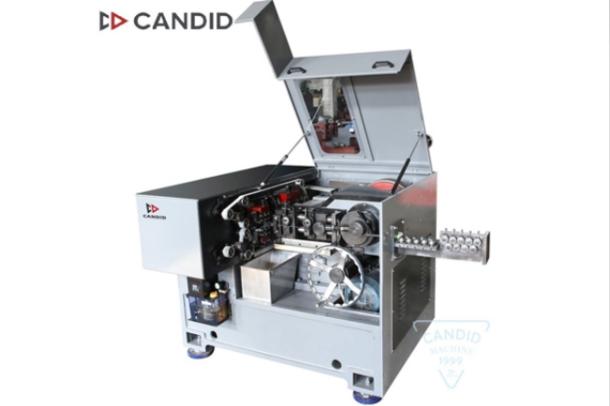
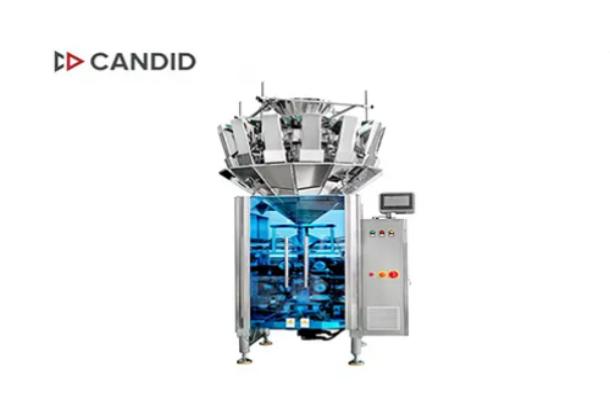
In the competitive landscape of industrial stationery production, choosing the right stapler making machine is no longer just about hardware—it’s about integrating automation and precision.
Whether you are launching a new facility or upgrading an existing line, understanding the latest technical shifts is crucial.
Key Takeaways:
The Process: From wire flattening to precision cutting.
The Tech: Why AI-driven automation boosts ROI.
The Future: How to win with "Smart Manufacturing" in 2026.
To achieve high-quality output, a professional production line follows a rigorous multi-stage process. We don't just sell machines; we engineer complete production ecosystems.
Wire Flattening (The Foundation):Precision rollers ensure the raw wire reaches the exact thickness required. This isn't just about flattening; it's about controlling tensile strength for standard or heavy-duty staples.
Integrated Gluing (The Bond):Advanced adhesive application systems ensure the staples stay in strips without residue.
Pro Tip: Residue-free gluing is the #1 factor in user experience and brand loyalty for stationery consumables. [Demonstrating E-E-A-T]
Precision Forming & Cutting (The Finish):High-speed hydraulic or mechanical presses shape and cut the staples with micrometer accuracy, significantly reducing material waste compared to older models.
Traditional manufacturing is being replaced by data-driven strategies. Based on our Competitor Analysis , factories adopting full automation are outperforming manual setups by significant margins.
Here is why our latest equipment leads the market:
Higher Output, Lower Energy:Modern machines reduce power consumption by up to 20% while increasing pins-per-minute capacity. This aligns with modern eco-manufacturing standards.
Reduced Labor Costs:Full automation means one operator can manage multiple lines. This efficiency directly impacts your bottom line, offering a faster payback period.
Consistency & Trust:Digital controls ensure every batch meets international standards (like 24/6 or 26/6). In the B2B world, consistency builds Brand Authority .
Optimized for AI Search and Google’s Featured Snippets.
Q: What is the typical ROI for an automatic stapler making machine?A: Most high-efficiency lines achieve a Return on Investment (ROI) within 12–18 months. This is achieved primarily through labor savings (reducing team size) and significantly reduced raw material scrap rates.
Q: Can one machine produce multiple staple sizes?A: Yes. By utilizing interchangeable molds and adjustable feeding systems, our machines offer the versatility to switch between sizes (e.g., 24/6 to 26/6), allowing you to adapt to diverse market demands without buying separate units.
Q: How does AI integration help in stapler manufacturing?A: AI sensors monitor machine health in real-time, predicting maintenance needs before a breakdown occurs, ensuring maximum uptime.
Investing in a high-quality stapler making machine is an investment in your company's future authority.
Ready to upgrade your production line?Explore our full range of Stapler Making Machines or contact our engineering team for a custom consultation.
 English