In the competitive world of wire mesh manufacturing, the debate between traditional mechanical machines and modern servo technology is heating up.
For decades, the mechanical hexagonal wire netting machine was the industry standard. It was rugged, heavy, and got the job done. But as labor costs rise and safety regulations tighten in 2026, many factory owners are asking: “Is the extra cost for a servo machine really worth it?”
At Candid (China-Equipments), we manufacture both types. We believe in transparency. Today, we are breaking down the real differences to help you decide which machine will maximize your profit margins.
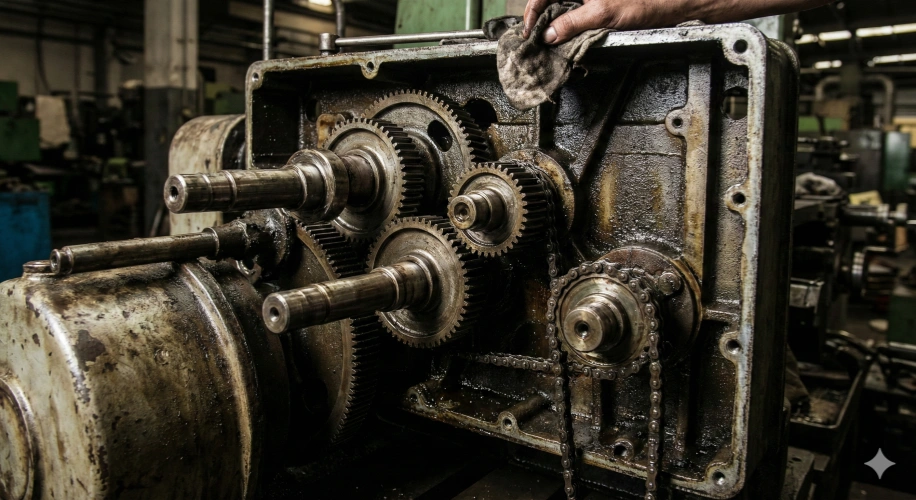
The traditional mechanical machine relies on a complex system of gears, cams, and transmission shafts.
Pros: Lower initial purchase price.
Cons: High noise levels (>90dB), frequent maintenance required for gears, and changing mesh sizes is a slow, labor-intensive process.
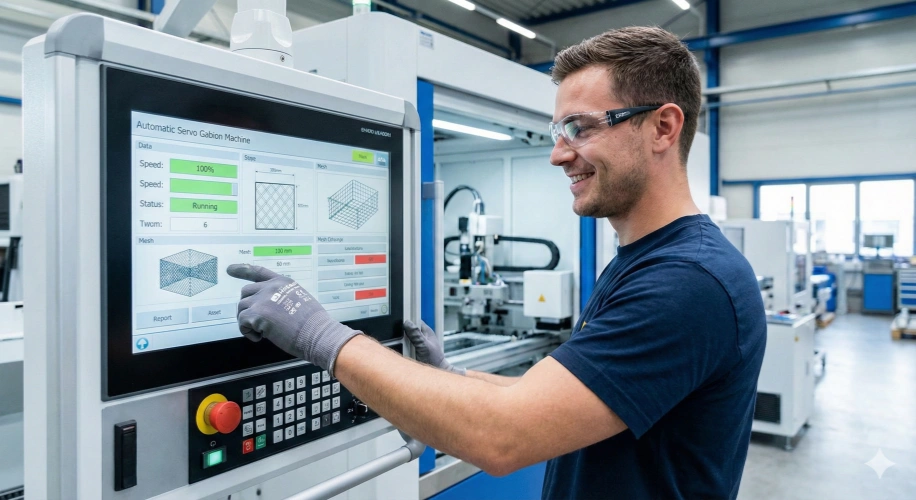
The Servo Type Gabion Machine replaces the complex gearing with precise servo motors and a PLC control system. It is designed for factories that prioritize efficiency and worker environment.
Pros:
Zero Gear Maintenance: No more greasing gears every week.
Touch Screen Control: Change mesh sizes or speed settings with a finger tap.
Whisper Quiet: Drastically reduces noise pollution, making your factory compliant with strict safety standards.
Let’s look at the data. While the mechanical machine is cheaper to buy, the servo machine is cheaper to own.
| Feature | Mechanical Gabion Machine | Servo Gabion Machine | Winner |
| Running Speed | Standard | 20-30% Faster | Servo |
| Noise Level | Very Loud (High Decibels) | Low Noise | Servo |
| Mesh Size Change | Takes Hours (Manual) | Minutes (Touch Screen) | Servo |
| Maintenance | Frequent (Gears wear out) | Minimal (Motor drive) | Servo |
| Initial Cost | Low | Medium/High | Mechanical |
Imagine this scenario: You have a rush order for a river protection project. Suddenly, a gear tooth breaks on your mechanical machine. You have to stop production, dismantle the shaft, and replace the part. That is 2 days of lost production.
With a Heavy Duty Servo Gabion Machine , the direct drive system eliminates these mechanical failure points. The machine runs smoother, reducing wear and tear on the wire itself.
Key Takeaway: The Servo machine buys you Uptime. In manufacturing, Uptime = Money.
Choose Mechanical if: You have a very limited startup budget, labor costs in your region are extremely low, and noise regulations are not an issue.
Choose Servo if: You want to build a modern, automated factory. You need to switch mesh sizes frequently for different clients, and you want to save on long-term maintenance costs.
Don't let outdated technology slow you down. Check out our full range of Gabion Box Production Lines to see how we can help you increase output by 30%.
[Get a Price Quote for Servo Machine]
 English